
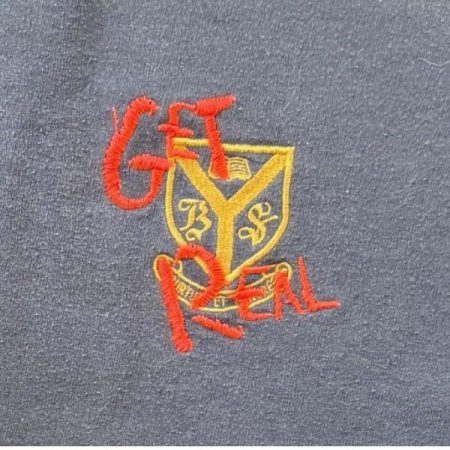
In September 1993 Patrick Wilde’s play ‘What’s Wrong with Angry?’ opened at the LOST Theatre, a small fringe theatre in Fulham. Thanks to a sold-out final week, it returned in January 1994 to the Oval House where it sold out completely and the run was extended for a week at the Battersea Arts Centre.
The ignition of public interest can be credited to its confronting and furious commentary on the issues facing gay young men in the UK. It was the early years of Section 28 and, although it had been decriminalised for over a decade, the age of consent for homosexual sex was 21 and would not be equal with that of heterosexual sex until 2000. The story follows Steven Carter, a gay sixteen-year-old boy embarking on his first romantic relationship with an older boy at his school, John- while growing up in Basingstoke.
After the run at the Battersea Arts Centre, Patrick was approached by producer Stephen Taylor and commissioned to write the screen play for the film which had the working title of ‘Sweet Sixteen’. By 1997, they received funding from Arts Council and were able to begin developing the film and finding the cast.
Why Basingstoke?
An ordinary ‘out-of –the-way’ place, Basingstoke in the 1990s was a far cry from the metropolitan London or bustling Manchester where popular, contemporary media about gay lives has typically been set. But that was the very reason it was the perfect setting for Wilde’s coming of age tale. “I wanted to write a play about an ordinary boy who knew he was gay and had no problem with it”. A few years before writing the play, Wilde was in Basingstoke for an acting job and met a young man, they went on to have a relationship. It was this relationship, and this man, that made him want to write about the difficulties of being gay outside of the cities away from the support of a wider gay community.
It is easy to imagine how difficult life would have been for boys like Steven, unable to even get support from trusted teachers, whose position meant that to even mention homosexuality would be putting their job at risk.
“…I really felt the need to express my anger at this heartbreaking system, which condemns thousands of young people to to years, perhaps lifetimes, of misery. I was sick of people describing older gay men as getting bitter. We’re not bitter; we’re angry!”
(Patrick Wilde in Staging Gay Lives)
The setting is an important acknowledgment of the far-reaching effects prejudice and shame, and signal to young gay people in commuter towns that their stories are worth telling too.
Lights, camera, action!
Over the summer of 1997 the crew came to Basingstoke, to find filming locations and hold auditions for supporting actors. Now called ‘Get Real’ the film auditioned many local students, Stacy Hart, an acting student at Queen Mary’s College, Basingstoke, was offered the part of Jessica, one of Steven’s friends.
Filming took place in Basingstoke over six weeks and many landmarks that locals would recognise can be seen in the film. The ‘summer house’ in the War Memorial Park was repurposed as a gentlemen’s toilets where Steven and John, unexpectedly, meet for the first time. They also filmed at two local schools, Cranbourne School and The Vyne School, the Market Place outside the Willis Museum and in several streets around the town including Foyle Park which provided the exteriors of Steve and his best friend Linda’s houses.
The premier of the film was held at the Warner Bros Cinema (now Odeon) at the Leisure Park, to a packed-out screening. It went on to great reviews at several film festivals including Sundance in 1999, building up the cult following it still has to this day.

Curating the Exhibition
It has been such a gift to discover the story of the making of ‘Get Real’. I was not born until the end of the 1990s so, alongside research, I have had to rely on the openness of those who do remember the decade in sharing their experiences with me. Without the locals who were part of the film I would never have been able to gather so much information on this pivotal moment in Basingstoke’s LGBTQIA+ history.
When I came across the film in my initial research, I wanted to make sure it received at least a mention. What has come through, as we reached out for contributions from the public, is how much of a positive and decade defining moment working on this film was. I hope by including it in the exhibition, we will allow others to revisit their own memories and bring awareness to Basingstoke’s connection to the fight for equal rights.
–
You can find out more about the film, and see some memorabilia from the cast, in ‘Basingstoke in the 90s’ which will run in the Basingstoke Community Gallery (upstairs in the Willis Museum) from Saturday 17 July – Sunday 23 August 2026.
–
Quotes in this article from Patrick Wilde are taken from the introduction to ‘What’s Wrong with Angry?’ in Staging Gay Lives: An Anthology of Contemporary Gay Theatre, edited by John M. Clum, 1996

Author: Alice Hatton:
Bio: Alice Hatton is an early career museum professional living and working in Hampshire, she has a MA in Museum Studies from the University of Leicester where she spent a significant amount of time researching lesbian visibility and representation in local museums. When she isn’t working at the Willis Museum, she enjoys exploring hidden histories and occasionally publishes online articles at museumsandmusings.substack.com.
